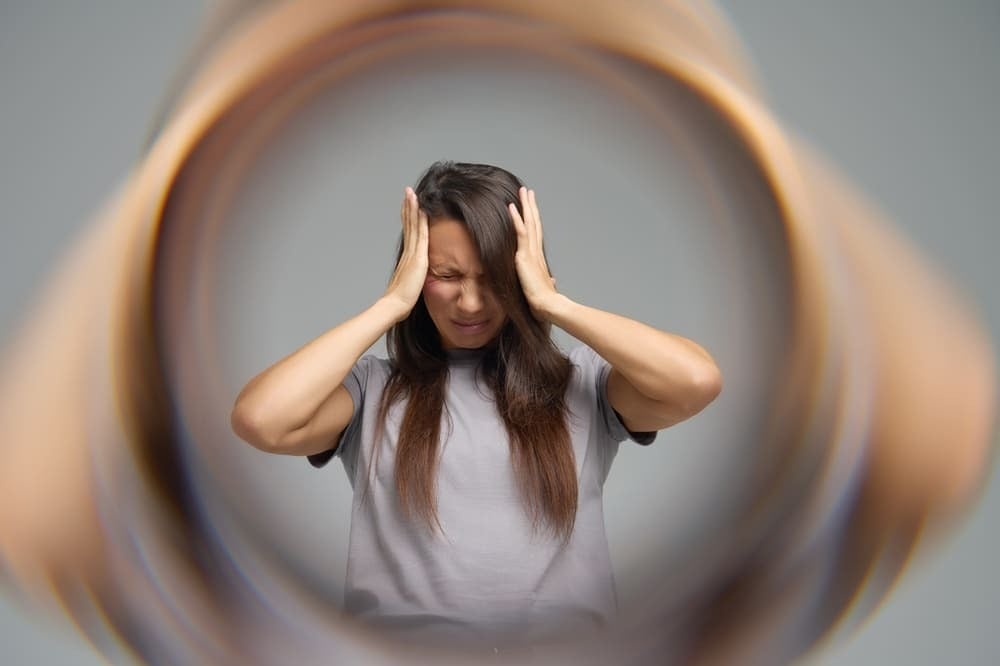
মাথায় আঘাত বা অন্য কোনো ধরনের মস্তিষ্কের আঘাত থেকে সেরে ওঠার সময় আপনার ঘন ঘন মাথাব্যথা বা এমনকি আলো ও শব্দের প্রতি সংবেদনশীলতা দেখা দিতে পারে। কিন্তু সেরে ওঠার পুরো প্রক্রিয়া জুড়ে মাথা ঘোরা এবং ভার্টিগোর ব্যাপকতা সম্পর্কে খুব কম লোকই বোঝেন।
হঠাৎ ভারসাম্যহীনতা এবং দিকভ্রান্তির মতো সমস্যা সামলানো কঠিন হতে পারে। সৌভাগ্যবশত, এই নির্দেশিকাটিতে আপনার উপসর্গগুলো মোকাবিলার কার্যকর উপায় তুলে ধরা হয়েছে। মাথা ঘোরা এবং টলমল ভাব মোকাবেলার জন্য নিউ ইয়র্ক সিটির একজন শীর্ষস্থানীয় স্নায়ুরোগ বিশেষজ্ঞের পরামর্শ জেনে নিন।
মাথা ঘোরা এবং ভার্টিগোর সংজ্ঞা
কিছু লোক এই শব্দ দুটিকে একই অর্থে ব্যবহার করে, বিশেষ করে যারা প্রায়শই অনুভব করেন যে ঘরটা ঘুরছে। তবে, এগুলোর সংজ্ঞা ভিন্ন।
যখন আপনার মাথা ঘোরে, তখন আপনার ঝিমঝিম করতে বা ভারসাম্যহীন বোধ হতে পারে। কেউ কেউ আবার চলার মতো অনুভূতির কথাও বলেন। এই অস্বস্তিকর অনুভূতিটি অন্তঃকর্ণের কোনো সমস্যা, গতিজনিত অসুস্থতা বা এমনকি আপনার দৃষ্টিশক্তির সমস্যার কারণেও হতে পারে।
অন্যদিকে, ভার্টিগো বলতে বোঝায় আপনার চারপাশের ঘরটি ঘুরছে এমন অনুভূতি। গুরুতর ক্ষেত্রে, এই শারীরিক অবস্থার কারণে বমি বমি ভাব, বমি, মাথাব্যথা বা কানে ভোঁ ভোঁ শব্দও হতে পারে। ইউসিএসএফ হেলথ-এর মতে, আনুমানিক ৪০% পর্যন্ত আমেরিকান তাদের জীবনের কোনো না কোনো সময়ে ভার্টিগোতে ভোগেন ।
কিছু নির্দিষ্ট জনগোষ্ঠীর ঝুঁকি বেশি থাকতে পারে। গবেষণায় দেখা গেছে যে, হরমোনের মাত্রার পরিবর্তনের কারণে , বিশেষ করে মেনোপজের সময়, মহিলাদের মাথা ঘোরার সমস্যা হওয়ার সম্ভাবনা বেশি থাকে। ‘ম্যাচুরিটাস’ জার্নালে প্রকাশিত একটি সমীক্ষায় দেখা গেছে যে, ৫৫ বছর বা তার বেশি বয়সী অংশগ্রহণকারীদের মধ্যে ৩৯.৮% ১০ বছরের সময়কালে কোনো না কোনো সময় মাথা ঘোরা বা ভার্টিগোর কথা জানিয়েছেন।
ভার্টিগোর কারণ কী?
পানিশূন্যতা এবং রক্তে শর্করার মাত্রা কমে যাওয়ার মতো বেশ কিছু স্বাস্থ্যগত সমস্যা মাথা ঘোরার কারণ হতে পারে। ভার্টিগো সাধারণত ভেস্টিবুলার সিস্টেমের কর্মহীনতার কারণে হয়ে থাকে। বিনাইন প্যারোক্সিসমাল পজিশনাল ভার্টিগো (BPPV) এবং ভেস্টিবুলার নিউরাইটিসের মতো অন্তঃকর্ণের রোগগুলো এই উপসর্গগুলোর অন্যতম সাধারণ কারণ। বিষয়টি নিশ্চিত করার জন্য ডাক্তাররা ইএনজি (ENG) বা অন্যান্য পরীক্ষা করতে পারেন।
তবে, এই অবস্থার আরেকটি ধরন আছে যাকে সেন্ট্রাল ভার্টিগো বলা হয়, যা স্নায়বিক সমস্যার কারণে হয়ে থাকে। মস্তিষ্কে আঘাতজনিত সমস্যা থেকে সেরে ওঠা ব্যক্তিদের মধ্যে মাথা ঘোরা এবং ভার্টিগো একটি সাধারণ সমস্যা। যখন মস্তিষ্ক ভারসাম্যের সংকেত সঠিকভাবে বুঝতে পারে না, তখন রোগীদের মনে হতে পারে যে ঘরটি ঘুরছে।
মস্তিষ্কে আঘাতের পর মাথা ঘোরা এবং ভার্টিগো সামলানোর কিছু পরামর্শ
আমেরিকার ব্রেইন ইনজুরি অ্যাসোসিয়েশনের রিপোর্ট অনুযায়ী, মস্তিষ্কে গুরুতর আঘাতপ্রাপ্তদের মধ্যে প্রায় ৫০% পরবর্তীতে কোনো না কোনো ধরনের ভারসাম্যহীনতায় ভোগেন। সেরে ওঠার সময় যদি আপনি মাথা ঘোরার সমস্যায় ভোগেন, তবে কয়েকটি উপায় আছে যার মাধ্যমে আপনি এই উপসর্গগুলো সামলে নিয়ে নিজেকে আরও স্থির ও শান্ত অনুভব করতে পারেন।
আপনার চারপাশ সামঞ্জস্য করুন
তীব্র মাথাঘোরা ও ভার্টিগো নিয়ে হাঁটাচলা করার চেষ্টা করলে পড়ে যাওয়ার ঝুঁকি বেড়ে যেতে পারে, যার ফলে আরও গুরুতর আঘাত লাগতে পারে। নিজেকে সুরক্ষিত রাখতে, বিশেষজ্ঞরা আপনার প্রয়োজন অনুযায়ী পারিপার্শ্বিক অবস্থা পরিবর্তন করার পরামর্শ দেন।
মেঝে এমন সব জিনিস থেকে পরিষ্কার রাখুন যেগুলোতে ধাক্কা লাগতে পারে বা হোঁচট খাওয়ার সম্ভাবনা থাকে। এমনকি মেঝেতে একটি আলংকারিক গালিচা থাকলেও, পা ফসকে গেলে পড়ে যাওয়ার কারণ হতে পারে।
আপনার বাড়িতে প্রচুর আলোর ব্যবস্থা করুন যাতে আপনি ঠিক কোথায় যাচ্ছেন তা দেখতে পারেন। যদি আপনাকে মাঝরাতে উঠতে হয়, আপনার সুবিধার জন্য একটি নাইট লাইটের ব্যবস্থা রাখুন।
ভেস্টিবুলার পুনর্বাসন থেরাপি শুরু করুন
নিউরোলজিস্ট এবং ওটোলেরিঙ্গোলজিস্টরা, যাঁদের ইএনটি (ENT) নামেও পরিচিত, প্রায়শই ক্রমাগত মাথা ঘোরা এবং ভার্টিগোতে ভুগছেন এমন ব্যক্তিদের ভেস্টিবুলার রিহ্যাবিলিটেশন থেরাপির পরামর্শ দেন। এই চিকিৎসায় বিভিন্ন ধরনের ব্যায়াম অন্তর্ভুক্ত থাকে, যা ভেস্টিবুলার সিস্টেমের ক্ষতি হওয়া সত্ত্বেও শরীরকে ভারসাম্য বজায় রাখতে সাহায্য করে।
মূল লক্ষ্য হলো মস্তিষ্ককে শেখানো যে, যখন অন্তঃকর্ণ থেকে সঠিক সংকেত পাওয়া যায় না, তখন ভারসাম্য রক্ষার জন্য এটি যেন দৃষ্টি, স্পর্শ এবং অন্যান্য ইন্দ্রিয়ের উপর নির্ভর করে। ভেস্টিবুলার রিহ্যাবিলিটেশন থেরাপিতে শেখানো একটি সাধারণ ব্যায়াম হলো এপলি ম্যানুভার । এটি একটি অবস্থান পরিবর্তনের ব্যায়াম, যার মধ্যে নিম্নলিখিত ধাপগুলো অন্তর্ভুক্ত থাকে এবং যা সাধারণত একজন ডাক্তারের দ্বারা বা তাঁর তত্ত্বাবধানে করা হয়:
- সোজা হয়ে বসুন এবং মাথাটি এক কানের দিকে ৪৫-ডিগ্রি কোণে ঘোরান।
- পিছনের দিকে এমনভাবে ঝুঁকুন যাতে কানটি মাটির দিকে থাকে।
- আপনার মাথা ৯০ ডিগ্রি ঘোরান, যাতে শরীর সোজা রেখে বিপরীত কানটি মাটির দিকে থাকে।
- আপনার শরীরের বাকি অংশ একপাশে গড়িয়ে দিন।
- ধীরে ধীরে আবার উঠে বসুন।
এই অভ্যাসটি আপনার উপসর্গগুলোর পুনরাবৃত্তি এবং তীব্রতা কমাতে সাহায্য করতে পারে।
আপনার ডাক্তারের সাথে পরামর্শ করুন।
যদি ভেস্টিবুলার রিহ্যাবিলিটেশন থেরাপির পরেও আপনার উপসর্গগুলোর উন্নতি না হয়, তবে আপনার ডাক্তারকে জানান। তিনি আপনাকে আরও ভারসাম্যপূর্ণ বোধ করতে সাহায্য করার জন্য নির্দিষ্ট কিছু ওষুধের পরামর্শ দিতে পারেন।
আপনার মধ্যে কোনো উন্নতি দেখলে তাদেরকে জানাতে থাকুন। আপনার আরোগ্য লাভের পুরো প্রক্রিয়া জুড়ে তাদের আপনার অগ্রগতি পর্যবেক্ষণ করতে হবে।
মস্তিষ্কের আঘাতের পর সহায়তার জন্য নিউ ইয়র্ক সিটির একজন শীর্ষস্থানীয় স্নায়ুরোগ বিশেষজ্ঞের পরামর্শ নিন।
মস্তিষ্কের গুরুতর আঘাতের মতো আর কোনো কিছুই আপনার জীবন ও দীর্ঘমেয়াদী স্বাস্থ্যের ওপর এতটা প্রভাব ফেলে না। যদি কোনো দুর্ঘটনার পর আপনি মাথা ঘোরা এবং ভার্টিগোতে ভুগে থাকেন, তাহলে নিউরোডায়াগনস্টিকস মেডিকেল পিসি-র সাথে যোগাযোগ করুন। ডঃ অশ্বিন মালহোত্রার নেতৃত্বে আমাদের প্রতিষ্ঠানটি বিভিন্ন স্নায়বিক আঘাত ও রোগের নির্ণয় এবং চিকিৎসায় নিবেদিত।
আপনার মাথা ঘোরা ও ভার্টিগো নিয়ন্ত্রণের জন্য ব্যালেন্স থেরাপির প্রয়োজন হোক কিংবা কোনো গভীরতর স্নায়বিক সমস্যার জন্য সাহায্যের প্রয়োজন হোক, আমাদের পরিষেবার প্রয়োজন রয়েছে এমন সকল রোগীকে আমরা স্বাগত জানাই।
নিউ ইয়র্ক সিটি জুড়ে আমাদের ১১টি অবস্থানের যেকোনো একটিতে অ্যাপয়েন্টমেন্ট বুক করতে আজই (347) 602-9530 নম্বরে আমাদের সাথে যোগাযোগ করুন । আমাদের ডাক্তাররা ওয়ার্কার্স কম্পেনসেশন, নো-ফল্ট এবং পিআইপি (পার্সোনাল ইনজুরি প্রোটেকশন) সহ বেশিরভাগ বীমা গ্রহণ করেন। একই দিনে অ্যাপয়েন্টমেন্ট পাওয়া যেতে পারে।
প্রায়শই জিজ্ঞাসিত প্রশ্নাবলী
মস্তিষ্কের আঘাত থেকে সেরে ওঠা সংক্রান্ত রোগীদের সাধারণ প্রশ্নের উত্তর জানুন।
কেন্দ্রীয় এবং প্রান্তীয় ভার্টিগোর মধ্যে পার্থক্য কী?
সেন্ট্রাল ভার্টিগো স্ট্রোক বা আঘাতজনিত মস্তিষ্কের ক্ষতির মতো স্নায়বিক অবস্থার কারণে হয়ে থাকে। পেরিফেরাল ভার্টিগো অন্তঃকর্ণের সমস্যা বা ভেস্টিবুলার স্নায়ুর সমস্যার কারণে দেখা দেয়।
আরও ভারসাম্যপূর্ণ বোধ করার জন্য আপনি কী করতে পারেন?
ভারসাম্য ফিরে পাওয়ার জন্য পুনর্বাসনমূলক ব্যায়াম অত্যন্ত গুরুত্বপূর্ণ। আপনার শরীরের নিম্নাংশের পেশী শক্তিশালী করা এবং দাঁড়ানো বা হাঁটার সময় কোনো অবলম্বন ব্যবহার করা সহায়ক হতে পারে।
মস্তিষ্কের আঘাতের পর মাথা ঘোরা এবং ভার্টিগো এত সাধারণ কেন?
মস্তিষ্কের আঘাতের পর ভার্টিগো এবং মাথা ঘোরা একটি সাধারণ সমস্যা, কারণ এর ফলে ভেস্টিবুলার সিস্টেমের গুরুত্বপূর্ণ অংশগুলো ক্ষতিগ্রস্ত হয়।
আমার কতদিন ভেস্টিবুলার রিহ্যাবিলিটেশন থেরাপি লাগবে?
এটা নির্ভর করে। যাদের হালকা মাথা ঘোরা ও ভার্টিগো আছে, তাদের কয়েকটি সেশনই যথেষ্ট হতে পারে, অন্যদিকে যাদের উপসর্গ আরও গুরুতর, তাদের চলমান থেরাপির প্রয়োজন হতে পারে।